Enterprise marketing platform
Hired to write the content. Found the problem in the briefs.
- SEO content
- Brief audits
- Cannibalization checks
- Keyword strategy
- Competitive angles
We were brought in to write SEO content for an enterprise B2B SaaS marketing platform. From the start, we questioned every brief before we wrote a word, and found a gap between what the briefs asked for and what searchers wanted.
Four months in, by mid-October 2026:
- Up from #2, after we moved a keyword off one of the client's own pages.
- #1
- Up from #2, after we moved a keyword off one of the client's own pages.
- For a keyword where the client's best page had been #16. Our biggest climb.
- #3
- For a keyword where the client's best page had been #16. Our biggest climb.
- For a brand-new page, ten weeks after it went live.
- #2
- For a brand-new page, ten weeks after it went live.
- Pieces that weren't in Google's top 100 now rank, most of them on page one or two.
- 5
- Pieces that weren't in Google's top 100 now rank, most of them on page one or two.
- Pieces in Google's top 20, six of them in the top 3.
- 11
- Pieces in Google's top 20, six of them in the top 3.
- Pieces cited in Google's AI Overviews.
- 2
- Pieces cited in Google's AI Overviews.
Rankings: Semrush US, 16 Oct 2026. AI Overviews: Google US, 7 Oct 2026.
The problem
The briefs came from an SEO agency, and a content team turned them into pages. It was a well-run process with a lot of moving parts.
We joined to write, and started by checking what each brief was really asking for. That’s where the problem sat. The briefs asked for pieces structured just like the top five results. They weren’t:
- Answering real LLM queries
- Reflecting keyword intent
- Demonstrating the client’s unique solution
- Using proprietary research
- Helping buyers make a decision
What we did
Questioned every brief before writing
We checked each brief against the live search results and the client's existing pages before writing anything. A pattern emerged over the first month.
Cannibalization showed up again and again. Some briefs asked for pieces the site had already published in another form. Others chose keywords that would have competed with the client's own pages that already ranked well.
Refresh briefs often carried sources and internal links that were years out of date.
Found the pain point and position in every piece
For every piece, we asked two questions. Does it help a buyer make a decision? Does it show why the client is the best solution, in a way competitors can't copy?
We started from the reader's problem: the questions they were really asking and the challenges behind the keyword. Then we brought in the client's point of view. The competitors on page one weren't talking about it.
We replaced third-party statistics with the client's own research, and generic examples with real customer stories.
Tracked every piece against its target
We logged every change: the search results we checked first, how the page compared with what already ranked, and what we changed and why.
Then we tracked every piece against its own target keyword, so the team could see what each one achieved.
The value
Content only this client could publish, and a site-wide problem the whole team could finally see.
Client anonymized under NDA.
More case studies
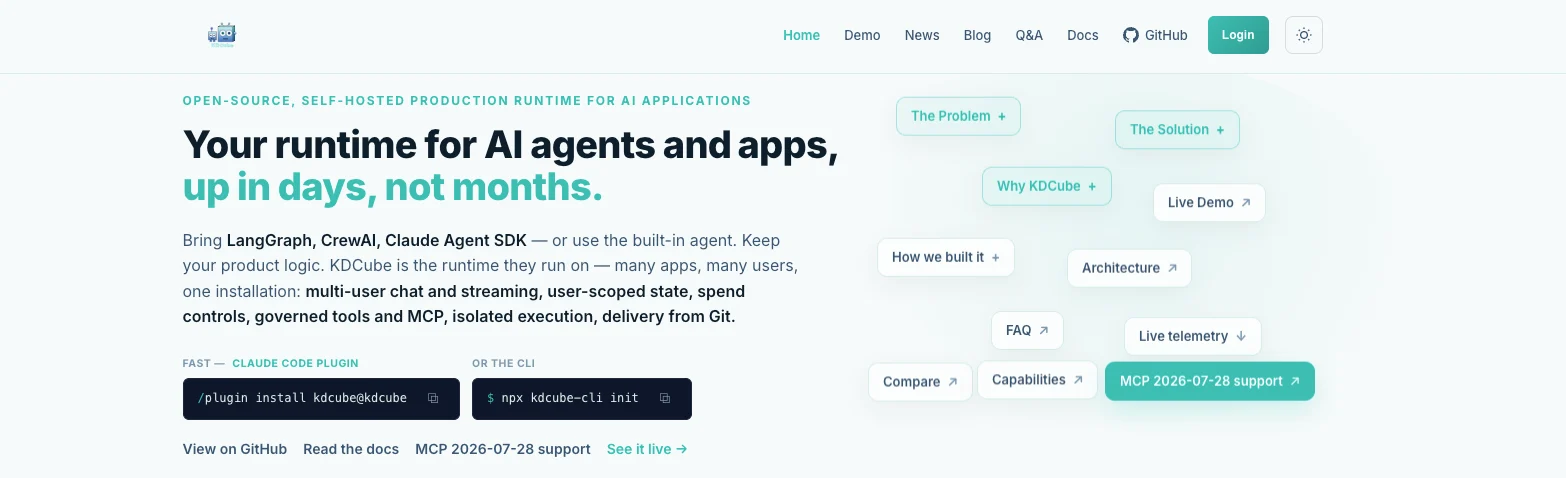 KDCube
From complex infrastructure to a clear reason to try it.
A shared developer proposition and a foundation for consistent, credible technical thought leadership.
For Founders and CMOs
Read the case study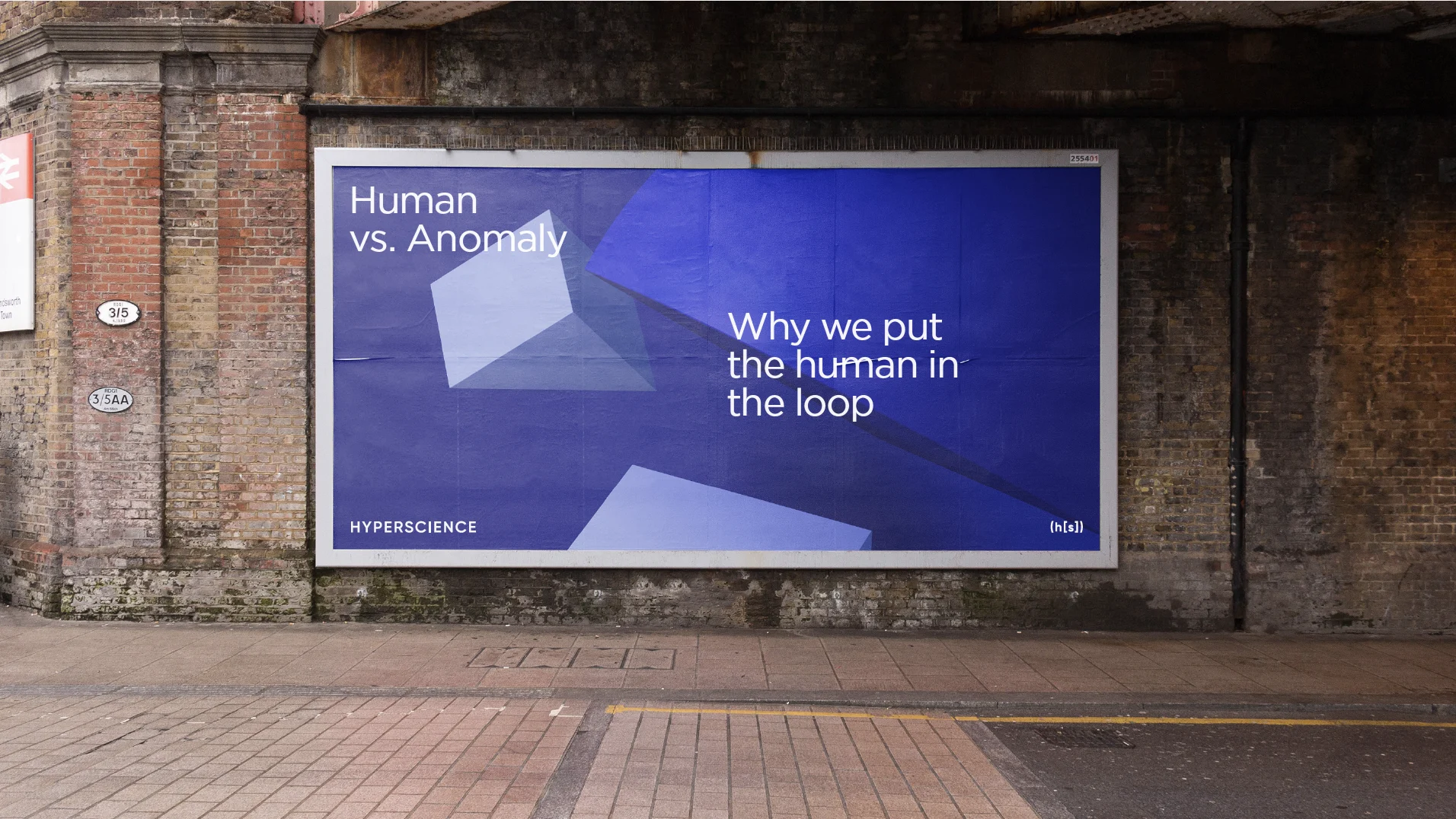 Hyperscience
Complex AI with a distinctive human voice.
A sharper category proposition, a human-centered narrative and a consistent voice for the wider brand.
For CMOs
Read the case study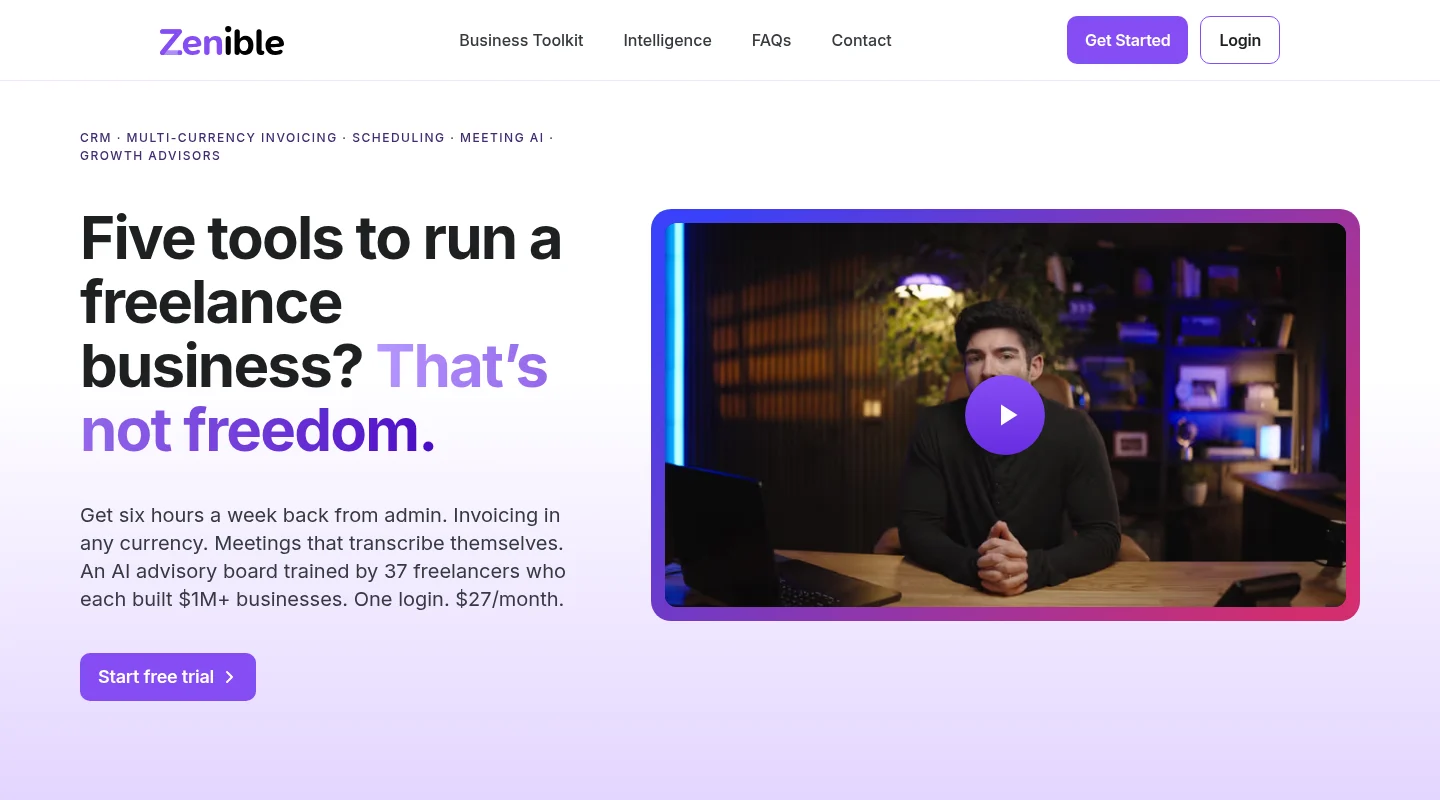 Zenible
A technical founder’s product, to a coherent market story.
Product positioning carried through to the homepage and ads.
For Founders
Read the case study
Want content only you could publish?
Book a content fit call. We'll look at your current positioning, what your content needs to prove to buyers, and whether our content engine fits your team. If the position itself isn't settled yet, the Positioning Sprint comes first.